

Disability insurance can replace part of your income when a qualifying illness or injury prevents you from working. But benefits usually don’t begin immediately after you become disabled.
Most disability insurance policies have a waiting period, commonly called an elimination period.
The elimination period is the amount of time you generally must remain disabled under the policy’s terms before disability benefits become payable.
Depending on the policy, that period could be relatively short or extend for several months.
Understanding the waiting period is important because you may need to pay your mortgage or rent, groceries, utilities, insurance premiums, and other household expenses while receiving little or no employment income.
Choosing an appropriate waiting period therefore involves balancing two considerations:
How long can you financially support yourself without disability benefits?
and
How much are you willing to pay for disability insurance?
This guide explains how disability insurance waiting periods work, common elimination periods, the differences between short-term and long-term disability insurance, and what to consider when choosing coverage.
What Is a Disability Insurance Waiting Period?
A disability insurance waiting period is generally the period between the beginning of a qualifying disability and the point when insurance benefits become payable.
It is often called the elimination period.
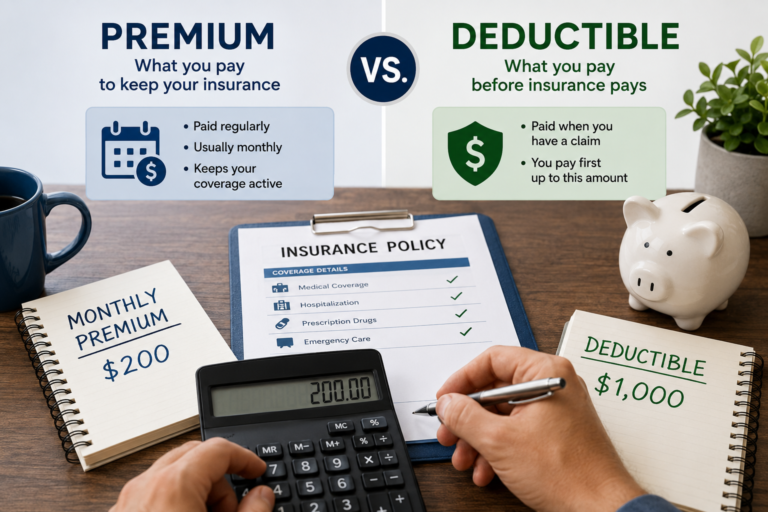
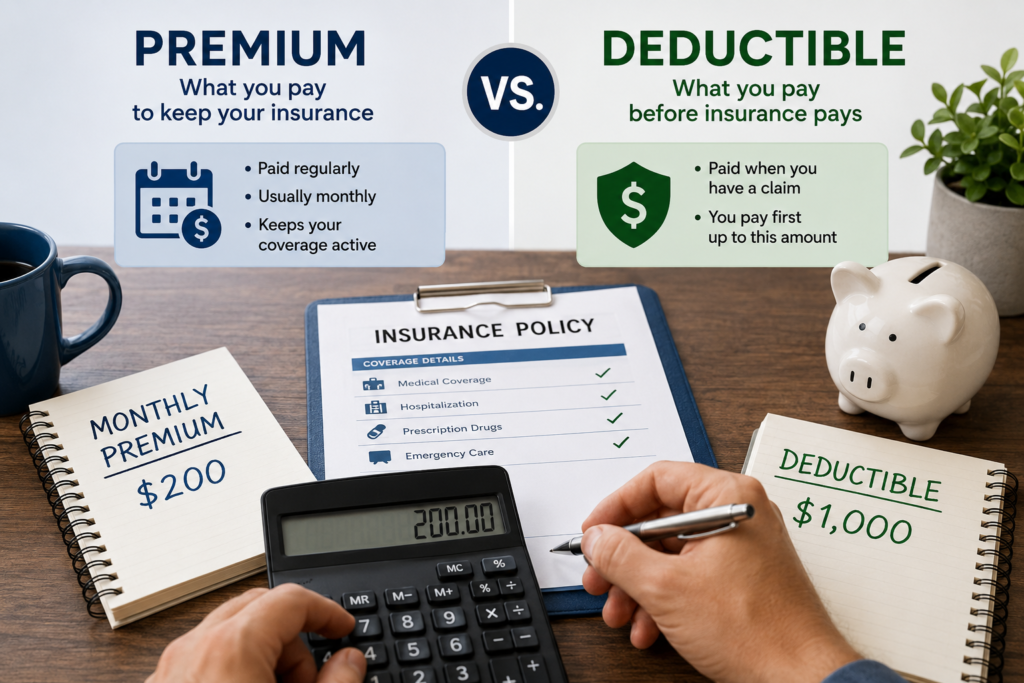
You can think of it as a time-based deductible.
Instead of paying a dollar amount before insurance begins paying benefits, you satisfy a specified period of disability.
For example, suppose your long-term disability insurance has a:
90-day elimination period
If you become disabled on January 1 and continuously satisfy the policy’s disability requirements, you generally need to complete the specified waiting period before benefits become payable according to the policy.
Exactly when the first payment arrives depends on policy wording and payment schedules.
Waiting Period vs. Elimination Period
The terms waiting period and elimination period are often used interchangeably when discussing disability insurance.
However, insurance contracts may define their terminology differently.
The policy itself should explain:
- When the period begins
- How days are counted
- Whether they must be consecutive
- Whether partial periods of disability count
- When the first benefit becomes payable
Always rely on your actual policy rather than assuming every insurer uses the same rules.
Why Does Disability Insurance Have a Waiting Period?
The waiting period allows insurers to avoid paying benefits for very short periods of disability.
Short-term illnesses or injuries may instead be managed using:
- Sick leave
- Paid time off
- Emergency savings
- Employer short-term disability benefits
- Other available resources
Long-term disability insurance is generally designed for more extended periods of lost earning ability.
The elimination period helps separate relatively short absences from longer-lasting disabilities.
Common Disability Insurance Waiting Periods
Available elimination periods vary by insurer and product.
Long-term individual disability policies may offer options such as:
- 30 days
- 60 days
- 90 days
- 180 days
- 365 days
Not every insurer offers every option.
Employer-sponsored long-term disability plans may have predetermined waiting periods that employees cannot individually change.
Short-term disability plans usually have considerably shorter waiting periods.
Short-Term Disability Waiting Periods
Short-term disability insurance is intended to provide income protection for relatively temporary disabilities.
As a result, its waiting period is generally shorter than that of long-term disability coverage.
Depending on the plan, benefits may begin after:
- Several days
- One week
- Two weeks
- Another specified period
Some policies may apply different rules to illnesses and injuries.
For example, certain plans might have a shorter waiting period for an accidental injury than for an illness.
The policy determines the actual requirements.
Long-Term Disability Waiting Periods
Long-term disability insurance generally uses longer elimination periods.
A commonly available option is around 90 days, although shorter and longer periods may be offered.
The logic is straightforward.
Long-term disability insurance is designed to protect against extended loss of income rather than brief absences from work.
An employee may use short-term disability benefits, paid leave, or savings during the elimination period before long-term disability coverage becomes payable.
Short-Term vs. Long-Term Waiting Periods
| Feature | Short-Term Disability | Long-Term Disability |
|---|---|---|
| Purpose | Temporary income protection | Extended income protection |
| Waiting period | Generally shorter | Generally longer |
| Benefit duration | Usually weeks or months | Potentially years |
| Common financial bridge | Sick leave/PTO | STD benefits and savings |
| Coverage structure | Often employer-sponsored | Employer or individual |
Specific periods and benefits vary by plan.
How a 90-Day Elimination Period Works
Consider an employee with long-term disability insurance providing:
Monthly benefit: $4,000
Elimination period: 90 days
The employee experiences a qualifying disability and cannot work.
During the first 90 days, the employee may need to rely on other financial resources.
These might include:
- Paid sick leave
- Short-term disability
- Emergency savings
- Spouse or partner income
After the elimination period has been satisfied, the long-term disability benefit may become payable according to the policy’s payment provisions.
The employee generally does not receive $4,000 for each month of the waiting period unless another benefit specifically provides that coverage.
Does Disability Insurance Pay Retroactively for the Waiting Period?
Generally, long-term disability insurance does not reimburse the elimination period itself.
If your policy has a 90-day waiting period, you normally don’t receive long-term disability benefits for those initial 90 days.
The purpose of the elimination period is specifically to define a period during which benefits aren’t payable.
There can be exceptions or specialized provisions, so check the actual contract.
When Does the Waiting Period Start?
The elimination period generally begins when you satisfy the policy’s definition of disability.
This distinction is important.
The date you:
- Receive a diagnosis
- Visit your doctor
- Stop working
- File your claim
may not necessarily be identical to the date the insurer recognizes as the beginning of disability.
The insurer will evaluate medical evidence, occupational duties, work history, and policy definitions when reviewing the claim.
Do Waiting-Period Days Have to Be Consecutive?
Not necessarily.
Some disability policies require continuous disability throughout the elimination period.
Others may contain provisions allowing a limited number of non-consecutive disability days to accumulate within a specified period.
For example, a person may attempt to return to work briefly and then become unable to work again because of the same condition.
Whether those disability periods can be combined depends entirely on the policy.
Look for provisions concerning:
- Accumulation periods
- Recurrent disability
- Recovery periods
- Interrupted elimination periods
What Is Recurrent Disability?
A recurrent disability occurs when a person returns to work after a disability and later becomes disabled again from the same or a related condition.
Some policies may treat the recurrence as part of the original claim when it happens within a specified period.
That could mean the insured doesn’t need to satisfy an entirely new elimination period.
If the recurrence occurs after the policy’s specified time window, a new waiting period may apply.
The definition varies by policy.
Waiting Period vs. Benefit Period
These two terms should not be confused.
Elimination Period
The time you must satisfy disability requirements before benefits begin.
Benefit Period
The maximum period during which qualifying benefits may be payable.
For example, a policy might have:
90-day elimination period
and
benefits potentially payable to age 65
These provisions address completely different aspects of the coverage.
Waiting Period vs. Probationary Period
Another term that can create confusion is probationary period.
A probationary or coverage waiting period may refer to the amount of time a new employee must work before becoming eligible for an employer benefit.
For example:
Employee starts work → waits 60 days → disability coverage becomes effective.
That is different from the disability insurance elimination period.
Once coverage is effective, the elimination period applies after a qualifying disability begins.
How Waiting Periods Affect Disability Insurance Premiums
The elimination period can influence the cost of individual disability insurance.
Generally:
Shorter elimination period = potentially higher premium
Longer elimination period = potentially lower premium
Why?
A shorter waiting period means the insurer may begin paying benefits sooner.
A longer waiting period shifts more of the initial financial risk to the policyholder.
However, pricing depends on many other factors as well.
Example: 30-Day vs. 90-Day Waiting Period
Consider two otherwise similar hypothetical policies.
Policy A
Elimination period: 30 days
Premium: Higher
Policy B
Elimination period: 90 days
Premium: Lower
Policy A provides the possibility of receiving qualifying benefits sooner but costs more.
Policy B requires the insured to financially manage a longer period without long-term disability benefits but may reduce the premium.
The appropriate choice depends on your savings and financial obligations.
Should You Choose the Shortest Waiting Period?
Not automatically.
A shorter elimination period may sound preferable because benefits can potentially begin sooner.
However, if you already have enough resources to comfortably cover several months of expenses, paying significantly more for a very short waiting period may not provide the best value.
The decision should consider your overall financial safety net.
How to Choose a Disability Insurance Waiting Period
Start by calculating how long you could maintain essential household expenses without your normal paycheck.
Consider the following.
1. Emergency Savings
Your emergency fund is one of the most important factors.
Suppose your essential monthly expenses are:
$5,000
and your accessible emergency savings total:
$30,000
Ignoring other income and unexpected costs, you have approximately:
6 months of essential expenses
A longer elimination period might therefore be manageable.
Someone with only one month of emergency savings may view the same waiting period very differently.
2. Employer Short-Term Disability Coverage
If your employer provides short-term disability insurance, determine:
- When STD benefits begin
- How much income they replace
- How long they continue
- When long-term disability begins
Ideally, the coverages can be structured to minimize a significant income gap.
3. Paid Sick Leave
Check how much paid leave you have accumulated.
Sick leave may provide income during part of the elimination period.
However, avoid assuming that all accumulated leave can necessarily be used for an extended disability without checking your employer’s policies.
4. Household Income
If your household has two incomes, determine whether the other income could cover essential expenses temporarily.
For example, consider whether a spouse or partner’s income could pay for:
- Housing
- Food
- Utilities
- Transportation
- Insurance
- Debt payments
This can affect how much emergency savings you need during the elimination period.
5. Monthly Financial Obligations
List essential expenses such as:
- Mortgage or rent
- Groceries
- Utilities
- Transportation
- Insurance premiums
- Childcare
- Minimum debt payments
- Healthcare expenses
This helps determine the minimum amount your household would need while waiting for disability benefits.
6. Access to Liquid Savings
Not every asset is equally useful during an emergency.
A retirement account or home equity may not be as accessible as:
- Cash
- Checking account funds
- Savings accounts
- Other liquid emergency reserves
When evaluating your ability to survive a waiting period, focus primarily on resources you could realistically access.
Build a Waiting-Period Emergency Fund
A useful planning approach is to maintain enough accessible savings to cover at least the elimination period.
For example:
Monthly essential expenses: $4,500
Elimination period: 90 days
Approximate three-month expenses:
$4,500 × 3 = $13,500
You might therefore want at least $13,500 available simply to cover the elimination period.
In practice, additional reserves can be useful because a disability may also create new expenses, including healthcare and transportation costs.
Coordinating Short-Term and Long-Term Disability Insurance
When both coverages are available, coordination matters.
Imagine:
Short-term disability benefits: up to 13 weeks
Long-term disability elimination period: 90 days
The short-term coverage may provide a financial bridge while the long-term waiting period is being satisfied.
This can create a smoother transition between benefits.
However, plan terms need to be reviewed carefully because durations and eligibility requirements may not align perfectly.
Individual Disability Insurance Waiting Periods
When purchasing an individual disability policy, you may have more control over the elimination period than you would with an employer plan.
Insurers may offer several options.
Before selecting one, compare:
- Premium differences
- Emergency savings
- Employer benefits
- Paid leave
- Household income
- Monthly obligations
A longer waiting period can sometimes be an effective way to reduce premiums while preserving protection against truly long-term income loss.
Employer Disability Insurance Waiting Periods
Employer-sponsored plans typically provide less flexibility.
Your employer selects the group plan’s terms.
Employees should review their Summary Plan Description or benefit materials to identify:
- Elimination period
- Benefit percentage
- Maximum monthly benefit
- Definition of disability
- Benefit duration
- Tax treatment
- Other-income offsets
Knowing that your employer “provides disability insurance” is not enough.
The details determine how useful the coverage will actually be.
Waiting Periods for Self-Employed Workers
Self-employed individuals may need to pay particular attention to elimination periods.
Unlike many traditional employees, they may not have access to:
- Employer sick leave
- Paid vacation
- Employer short-term disability insurance
A self-employed professional with a 90-day elimination period may therefore need enough savings to cover both personal and business expenses during those three months.
Business overhead expense insurance may also be worth investigating separately for eligible business expenses.
What Happens If You Recover During the Waiting Period?
Suppose your policy has a 90-day elimination period, but you recover and return to work after 60 days.
Generally, long-term disability benefits would not become payable because you didn’t satisfy the required elimination period.
This demonstrates why long-term disability insurance is primarily intended to protect against extended disabilities.
What If You Return to Work and Become Disabled Again?
The answer depends on the policy’s recurrent-disability provisions.
Some policies may allow related periods of disability to be treated as one claim when the recurrence happens within a specified period.
Others may require a new elimination period.
Review this provision carefully, especially if your condition could fluctuate or recur.
Can You Change Your Waiting Period Later?
Potentially, but not always.
With an individual policy, changing the elimination period may require:
- Insurer approval
- New underwriting
- Updated health information
- A premium adjustment
Reducing the waiting period can be more difficult than increasing it because the insurer is taking on greater potential risk.
Employer-plan waiting periods generally can’t be individually changed unless the employer offers multiple coverage options.
Don’t Confuse Claim Approval With Benefit Start Date
A claim can sometimes be reviewed while the elimination period is still running.
However, claim approval doesn’t necessarily mean payment begins immediately.
Benefits become payable according to:
- The elimination period
- Policy definition of disability
- Claim approval
- Payment schedule
- Other policy requirements
Keep copies of all communications with your insurer or plan administrator.
Documentation During the Waiting Period
Continue documenting your medical condition even though benefits aren’t yet payable.
The insurer may require evidence showing that you remained disabled throughout the elimination period.
Documentation may include:
- Medical records
- Physician statements
- Diagnostic tests
- Treatment records
- Work restrictions
- Occupational information
Failure to maintain appropriate medical documentation can complicate a disability claim.
Common Waiting-Period Mistakes
Assuming Benefits Begin Immediately
Most disability insurance policies include an elimination period.
Choosing a Waiting Period Based Only on Premium
A lower premium isn’t helpful if you cannot financially survive the waiting period.
Ignoring Employer Benefits
Short-term disability and paid leave can significantly affect the appropriate long-term elimination period.
Confusing Waiting Period With Benefit Period
The waiting period determines when payments may start. The benefit period determines how long qualifying payments may continue.
Assuming Benefits Are Retroactive
Long-term disability insurance generally doesn’t reimburse the elimination period itself.
Ignoring Recurrent Disability Provisions
A return to work followed by another disability may be handled differently depending on policy language.
Failing to Maintain Medical Documentation
You may need to prove that you continuously met the policy’s disability requirements during the waiting period.
Example: Choosing Between Waiting Periods
Consider a professional with:
Monthly essential expenses: $5,000
Emergency savings: $25,000
Employer short-term disability: 12 weeks
Long-term disability options: 30, 60, or 90 days
Because the employee has short-term disability benefits covering approximately the same period as a 90-day long-term elimination period, selecting a shorter long-term waiting period may provide limited additional value depending on how the plans coordinate.
The employee could compare the premium difference and policy terms before making a decision.
Now consider a self-employed person with:
Monthly expenses: $6,000
Emergency savings: $6,000
No short-term disability
A 180-day elimination period could create a substantial financial risk.
Even if the longer period reduces premiums, the individual might not have enough accessible resources to cover six months without income.
Questions to Ask Before Choosing a Waiting Period
Before purchasing disability insurance, ask:
- What elimination periods are available?
- When does the elimination period begin?
- Must disability days be consecutive?
- How does recurrent disability work?
- When is the first payment actually issued?
- Are benefits retroactive?
- How does the waiting period coordinate with short-term disability?
- Can paid sick leave be used during the waiting period?
- How much does each elimination-period option affect the premium?
- Can I change the elimination period later?
- What medical documentation is required?
- What happens if I partially return to work?
These questions can prevent misunderstandings after a claim.
Frequently Asked Questions
What is a disability insurance waiting period?
It is generally the period you must satisfy the policy’s disability requirements before disability benefits become payable.
Is a waiting period the same as an elimination period?
The terms are commonly used interchangeably in disability insurance, although you should follow the definitions in your specific policy.
What is a common long-term disability waiting period?
Policies often offer periods such as 30, 60, 90, 180, or 365 days. Availability varies, and 90 days is a commonly encountered option.
Does disability insurance pay during the elimination period?
Generally, long-term disability benefits aren’t payable for the elimination period itself.
Is a shorter waiting period better?
Not necessarily. It may provide earlier benefits but can increase premiums. Your savings and other benefits should influence the decision.
Can short-term disability cover the waiting period?
Potentially. Short-term disability is often used to provide income while an employee satisfies a long-term disability elimination period.
What happens if I recover before the waiting period ends?
Generally, long-term disability benefits won’t become payable if you don’t satisfy the required elimination period.
Does the waiting period start when I’m diagnosed?
Not necessarily. It generally begins when you meet the policy’s definition of disability.
Do waiting-period days have to be consecutive?
That depends on the policy. Some contracts allow limited accumulation of disability days within a specified period.
Can I change my elimination period?
Possibly with an individual policy, subject to insurer rules and potentially additional underwriting. Employer group plans may not provide individual flexibility.
Final Thoughts
The disability insurance waiting period may seem like a small policy detail, but it can determine how long your household must manage without disability benefits.
A shorter elimination period can provide access to qualifying benefits sooner but may increase premiums.
A longer waiting period can reduce insurance costs but requires greater financial resources to bridge the income gap.
Before selecting an elimination period, examine your:
- Emergency savings
- Essential monthly expenses
- Paid sick leave
- Employer short-term disability coverage
- Household income
- Other available financial resources
Then ask a simple question:
How long could my household realistically maintain its essential expenses if my paycheck stopped tomorrow?
Your answer can help you evaluate an appropriate waiting period.
Disability insurance is most effective when it works together with emergency savings, employer benefits, and a broader financial plan. Understanding the elimination period before purchasing coverage can prevent an unpleasant financial surprise if you ever need to file a claim.