

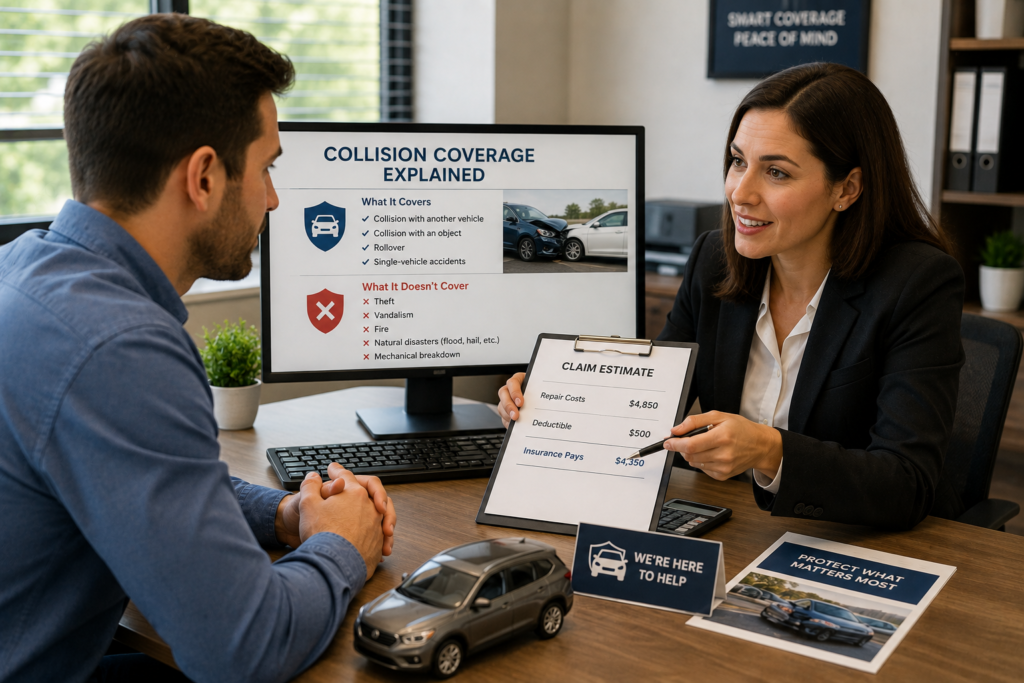
Every business relies on physical assets to operate. Whether you own an office building, retail store, restaurant, warehouse, manufacturing facility, or professional practice, your property represents a significant financial investment. A fire, severe storm, theft, vandalism, or other covered event can disrupt operations and result in costly repairs or replacements.
Commercial Property Insurance is designed to help businesses recover financially after covered property losses. It can help pay to repair or replace buildings, equipment, inventory, furniture, and other business property damaged by covered perils, subject to policy terms, limits, and deductibles.
This guide explains how commercial property insurance works, what it typically covers, common exclusions, optional endorsements, and how business owners can choose appropriate coverage.
What Is Commercial Property Insurance?
Commercial Property Insurance is a type of business insurance that helps protect physical business assets from covered losses.
Depending on the policy, covered property may include:
- Business buildings
- Office furniture
- Computers and technology
- Machinery and equipment
- Inventory and stock
- Manufacturing equipment
- Business tools
- Fixtures and shelving
- Outdoor signs
- Certain improvements and betterments
Coverage applies only to losses caused by covered perils as defined in the policy.
Why Commercial Property Insurance Is Important
Unexpected property damage can interrupt business operations and create significant financial challenges.
Commercial property insurance may help businesses recover after covered events by providing financial assistance for repairing or replacing damaged property.
Potential benefits include:
- Protecting major business investments.
- Reducing unexpected repair costs.
- Supporting business continuity.
- Helping businesses recover after covered disasters.
- Meeting lender or lease requirements.
- Providing confidence when planning long-term growth.
Who Should Consider Commercial Property Insurance?
Commercial property insurance may be appropriate for many businesses, including:
- Retail stores
- Restaurants
- Medical offices
- Law firms
- Accounting firms
- Warehouses
- Manufacturing businesses
- Hotels
- Contractors
- Technology companies
- Professional offices
- Nonprofit organizations
Even businesses that lease space often own valuable equipment, inventory, furniture, or improvements that may benefit from protection.
What Does Commercial Property Insurance Typically Cover?
Coverage varies by insurer and policy, but commercial property insurance commonly protects the following assets.
Buildings
If you own your business premises, the policy may help pay to repair or rebuild the building after a covered loss.
Covered structures may include:
- Office buildings
- Retail stores
- Warehouses
- Manufacturing facilities
- Commercial garages
- Medical clinics
Business Personal Property
Business personal property generally includes items inside the building that support daily operations.
Examples include:
- Desks
- Chairs
- Filing cabinets
- Computers
- Servers
- Office supplies
- Telephones
- Printers
- Display cases
- Shelving
Equipment and Machinery
Businesses often rely on expensive equipment to serve customers or manufacture products.
Depending on the policy, covered equipment may include:
- Commercial kitchen equipment
- Manufacturing machinery
- Medical equipment
- Construction tools
- Professional equipment
- Production machinery
Some specialized equipment may require additional coverage.
Inventory
Retailers, wholesalers, and manufacturers often maintain valuable inventory.
Commercial property insurance may help cover inventory damaged by a covered event such as:
- Fire
- Smoke
- Windstorm
- Theft (where covered)
- Vandalism
Coverage limits and valuation methods vary by policy.
Furniture and Fixtures
Office furniture, customer seating, counters, lighting fixtures, and built-in improvements may also be covered as business property.
Common Covered Perils
Policies vary, but commonly covered perils may include:
- Fire
- Lightning
- Windstorms
- Hail
- Smoke
- Explosion
- Vandalism
- Certain types of theft
- Damage from vehicles
- Damage from aircraft
- Riot or civil commotion
- Falling objects (subject to policy terms)
Always review your policy to understand which perils are specifically covered.
Commercial Property Insurance vs. General Liability Insurance
These policies protect different risks.
| Commercial Property Insurance | General Liability Insurance |
|---|---|
| Protects business property | Protects against third-party bodily injury and property damage claims |
| Covers buildings and equipment | Covers legal liability to others |
| Covers inventory | Does not insure your own business property |
| Helps repair or replace covered physical assets | Helps defend and settle covered liability claims |
Many businesses carry both types of insurance because they address different exposures.
How Commercial Property Insurance Works
Step 1: Purchase Coverage
The business owner selects:
- Coverage limits
- Deductible
- Covered property
- Optional endorsements
Step 2: Covered Loss Occurs
A covered event damages insured business property.
Examples include:
- Fire
- Storm damage
- Covered theft
- Vandalism
Step 3: File a Claim
The business reports the loss and provides documentation such as:
- Photos
- Inventory records
- Purchase receipts
- Repair estimates
- Police reports (if applicable)
Step 4: Claim Investigation
The insurer reviews the claim, inspects the damage if necessary, and determines coverage according to the policy.
Step 5: Repair or Replacement
If approved, the insurer pays covered repair or replacement costs according to the policy’s terms, limits, valuation method, and deductible.
Deductibles
Commercial property policies usually include a deductible.
Common deductible options include:
- $500
- $1,000
- $2,500
- $5,000
- Higher amounts for larger businesses
Generally:
- Lower deductible = Higher premium.
- Higher deductible = Lower premium but greater out-of-pocket responsibility after a covered loss.
Common Exclusions
Commercial property insurance does not cover every type of loss. Common exclusions vary by insurer and policy but may include:
- Flood damage (unless covered by a separate flood policy)
- Earthquake damage (unless endorsed or separately insured)
- Normal wear and tear
- Rust and corrosion
- Mechanical breakdown
- Pest or rodent damage
- Mold resulting from long-term maintenance issues
- Intentional damage
- War and nuclear hazards
- Government seizure or condemnation
Understanding policy exclusions can help identify where additional coverage may be needed.
Replacement Cost vs. Actual Cash Value
One of the most important choices when purchasing commercial property insurance is how covered property will be valued.
Replacement Cost Coverage
Replacement cost coverage generally pays the amount needed to repair or replace damaged property with similar property of like kind and quality, without deducting for depreciation, subject to policy limits and conditions.
Advantages
- Higher claim payments in many situations
- Better protection against rising construction and equipment costs
- Helps businesses recover more quickly after a covered loss
Actual Cash Value (ACV)
Actual Cash Value typically considers depreciation when determining the value of damaged property.
For example, an older piece of equipment may be valued lower than the cost of purchasing a brand-new replacement.
While ACV policies often have lower premiums, they may result in lower claim payments.
Business Interruption Coverage
Property damage may temporarily prevent a business from operating.
Business Interruption Insurance (also called Business Income Insurance) may help cover certain ongoing expenses and lost income when operations are suspended because of a covered property loss.
Depending on the policy, it may help with:
- Lost business income
- Rent or lease payments
- Employee payroll (where covered)
- Loan payments
- Taxes
- Temporary relocation expenses (subject to policy terms)
Business interruption coverage is often purchased alongside commercial property insurance.
Optional Coverages and Endorsements
Businesses may enhance their protection with optional endorsements, depending on their needs.
Examples include:
Equipment Breakdown Coverage
May help cover certain sudden mechanical or electrical failures involving insured equipment.
Ordinance or Law Coverage
May help pay additional rebuilding costs required by updated building codes after a covered loss.
Outdoor Signs Coverage
Provides protection for covered outdoor business signs that may not be fully insured under a standard policy.
Valuable Papers and Records Coverage
May help cover the cost of restoring important business documents, records, or files damaged by a covered event.
Electronic Data Coverage
Can help cover certain costs associated with restoring electronic data after covered damage, subject to policy terms.
Factors That Affect Premiums
Commercial property insurance premiums depend on several factors, including:
- Building age and construction
- Business location
- Occupancy type
- Fire protection systems
- Security measures
- Property value
- Replacement cost
- Claims history
- Selected deductible
- Coverage limits
- Type of business operations
Businesses in higher-risk industries or areas prone to natural disasters may pay higher premiums.
Tips for Choosing the Right Coverage
- Conduct a complete inventory of business assets.
- Estimate the replacement cost of buildings and equipment.
- Review coverage limits annually.
- Consider business interruption insurance.
- Install fire alarms, sprinklers, and security systems.
- Keep purchase receipts and maintenance records.
- Discuss specialized risks with your insurance professional.
Regular policy reviews help ensure your coverage keeps pace with business growth.
Common Mistakes to Avoid
Underinsuring Business Property
Choosing coverage limits that are too low can leave your business responsible for significant out-of-pocket costs after a major loss.
Ignoring Business Interruption Risks
Repairing a building is only one part of recovery. Lost income during downtime can also create financial hardship.
Forgetting About Equipment Upgrades
As businesses purchase new equipment or expand operations, coverage should be updated to reflect increased property values.
Not Understanding Exclusions
Floods, earthquakes, and equipment breakdowns may require separate policies or endorsements.
Failing to Document Property
Keeping an up-to-date inventory with photographs, receipts, and serial numbers can make the claims process more efficient.
Frequently Asked Questions
Is commercial property insurance legally required?
Generally, no. However, lenders, landlords, or lease agreements may require businesses to maintain commercial property insurance.
Does commercial property insurance cover inventory?
Yes, many policies cover inventory damaged by covered perils, subject to policy limits and exclusions.
Does it cover employee property?
Coverage for employees’ personal belongings is often limited or excluded. Review your policy for details.
Is theft covered?
Many commercial property policies include coverage for certain types of theft, but exclusions, limitations, and security requirements may apply.
Can renters purchase commercial property insurance?
Yes. Businesses that lease commercial space often insure their business personal property, equipment, inventory, and tenant improvements even if they do not own the building.
Final Thoughts
Commercial property insurance plays a critical role in protecting the physical assets that keep a business operating. From buildings and inventory to equipment, furniture, and technology, these assets represent significant investments that may be vulnerable to unexpected events such as fire, storms, vandalism, or theft.
By understanding what commercial property insurance covers, reviewing exclusions, selecting appropriate coverage limits, and considering additional protections such as business interruption insurance, business owners can build a more resilient risk management strategy and improve their ability to recover after a covered loss.