

Introduction
Renting in Toronto or Vancouver is already expensive.
After paying for:
Rent
Utilities
Internet
Transportation
Groceries
and other monthly expenses, adding another insurance bill can feel unnecessary.
But eliminating tenant insurance altogether can expose you to substantially greater financial risk.
Tenant insurance can help protect your belongings, provide personal-liability protection, and cover certain additional living expenses when a covered loss makes your rental temporarily uninhabitable. The Government of Canada also notes that a tenant’s policy may cover accidental damage you cause to the rental property and theft of personal property from your vehicle, subject to the policy.
The good news is:
Saving on tenant insurance doesn’t necessarily mean reducing important protection.
In many cases, the better strategy is to optimize your:
Insurer
Deductible
Contents limit
Optional coverage
and:
Available discounts.
Here’s how renters in expensive Canadian cities can approach it.
How Expensive Is Tenant Insurance in Toronto in 2026?
Tenant insurance is usually far less expensive than the rent itself, but prices still vary significantly by:
Postal code
Building
Claims history
Coverage
and:
Insurer.
Current 2026 quote data from Rates.ca estimates the average tenant insurance premium across Toronto at about:
$309 per year
or roughly:
$26 per month.
For Downtown Toronto specifically, its estimated average is approximately $313 annually.
However, even within Downtown Toronto, its estimates vary by postal-code area—from roughly $293 to $375 annually in the dataset.
That’s an important lesson:
Your city alone doesn’t determine your price.
Two renters living only a few kilometres apart can receive different quotes.
What About Vancouver?
Vancouver renters face their own insurance considerations.
British Columbia’s Tenant Resource & Advisory Centre notes that tenant insurance policies commonly protect:
Personal possessions
Liability
and:
Displacement expenses.
The Province of British Columbia similarly explains that a landlord’s insurance doesn’t cover a renter’s belongings or additional living expenses. Tenant insurance can provide that protection when an insured event makes the home uninhabitable.
Pricing varies substantially by insurer, building, location and coverage, so rather than relying on a single Vancouver-wide average, get several quotes for your exact address.
Strategy #1: Shop Around
This is the simplest—and potentially most powerful—saving strategy.
Insurance companies don’t necessarily price identical renters the same way.
The Financial Consumer Agency of Canada recommends shopping around because premiums can vary from one insurer to another.
Don’t obtain:
one quote.
Try:
several.
You can compare through:
Insurance companies
Licensed agents
and:
Registered brokers.
The federal government confirms that Canadians can purchase coverage through each of these channels.
Don’t Compare Premium Alone
Suppose:
Policy A — $22/month
and:
Policy B — $29/month.
Policy A appears cheaper.
But imagine Policy A provides:
$20,000 contents coverage
and:
$1 million liability.
Policy B provides:
$40,000 contents
and:
$2 million liability
plus broader optional protection.
Those aren’t equivalent products.
Always compare:
price + coverage + deductible + exclusions.
Strategy #2: Increase Your Deductible
Your deductible is the portion of an eligible claim that you generally pay before the insurer pays the remaining covered amount.
The Government of Canada explains that higher deductibles can result in lower insurance premiums.
Imagine your choices are:
$500 deductible
or:
$1,000 deductible.
The $1,000 option might reduce your premium.
But don’t automatically choose the highest deductible available.
Ask yourself:
Could I comfortably pay this tomorrow?
If the answer is no, the premium saving may not justify the financial exposure.
Calculate the Deductible Payback
Suppose:
$500 deductible = $360/year
and:
$1,000 deductible = $300/year.
Annual savings:
$60.
You’re accepting an additional:
$500
of potential out-of-pocket expense to save:
$60 annually.
That’s a useful calculation.
Don’t simply ask:
“Which deductible gives me the cheapest premium?”
Ask:
“Is the saving worth the additional risk?”
Strategy #3: Bundle Tenant and Auto Insurance
If you own a vehicle, this deserves attention.
The Government of Canada notes that consumers may receive discounts when combining home and auto insurance with the same insurer.
For renters, insurers may similarly offer multi-policy pricing when combining:
Tenant insurance
Auto insurance.
This can be particularly useful because auto insurance can represent a much larger expense than tenant coverage.
But there’s a catch.
Don’t Let a Bundle Discount Fool You
Suppose:
Insurer A
Tenant insurance: $300
Auto insurance: $2,500
After discounts:
$2,650 total.
Now:
Insurer B Auto
$2,050
plus:
Insurer C Tenant
$350.
Combined:
$2,400.
The separate policies win despite having no impressive bundle offer.
Always compare:
total annual cost.
Strategy #4: Don’t Overinsure Your Belongings
Tenant insurance usually includes a limit for personal property.
But how much do you actually own?
Don’t simply guess:
$80,000
because it sounds safe.
Walk around your apartment and estimate the replacement cost of your:
Furniture
Electronics
Clothing
Kitchen equipment
Sports equipment
Bicycle
and:
Other belongings.
The Government of Canada recommends having enough insurance to cover the cost of replacing everything in your home.
The goal is:
adequate coverage—not artificially low or unnecessarily excessive coverage.
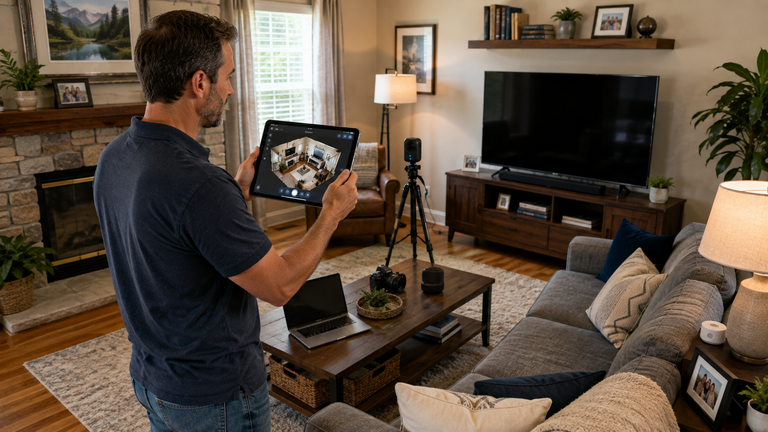
Create a Home Inventory
Open your phone and record every room.
Document:
Television
Laptop
Furniture
Clothing
Gaming equipment
Kitchen appliances
Bicycle
Jewelry
and:
Other important possessions.
For expensive items, save:
Receipts
Photographs
Serial numbers
and:
Purchase records.
Then estimate how much it would cost to replace everything.
That gives you a more defensible contents limit.
Strategy #5: Review Optional Add-Ons
Basic policies aren’t identical.
Depending on your insurer and location, additional protection may be available for risks such as:
Sewer backup
Overland water
Earthquake
Higher-value belongings
or other exposures.
Optional coverage costs money.
But don’t simply remove every endorsement to lower the premium.
In British Columbia, for example, the provincial government notes that earthquake, flooding and overland-water coverage are generally optional, while wildfire is typically part of standard home coverage.
For Vancouver renters, earthquake exposure deserves particular attention.
A cheap policy isn’t necessarily a good policy if it excludes the risk you’re most concerned about.
Strategy #6: Ask About Security Discounts
Your rental building may already have features that reduce risk.
Examples might include:
Monitored alarms
Smoke detectors
Sprinkler systems
Security systems
Controlled building access
and:
Water-leak detection.
Discount eligibility varies by insurer.
When requesting a quote, don’t simply provide:
your address.
Ask:
“Does my building qualify for any safety or security discounts?”
You may already be living with risk-reduction features you’re not receiving credit for.
Strategy #7: Ask About Online Discounts
This is easy to overlook.
The Financial Consumer Agency of Canada notes that consumers may sometimes receive a discount for completing an insurance application online.
That doesn’t mean every insurer provides one.
But it costs nothing to ask.
Compare:
online quote
versus:
broker/agent quote
where practical.
Strategy #8: Protect Your Claims History
Claims history can affect insurance pricing.
The Government of Canada lists claims history among the factors that can influence home-insurance premiums.
That doesn’t mean:
“Never make a claim.”
That’s what insurance is for.
But consider whether it makes sense to submit very small claims that are only slightly above your deductible.
Suppose:
Loss = $700
Deductible = $500.
Potential insurer payment:
$200,
subject to coverage.
Before filing, you may want to understand the implications and speak with your insurer or broker.
For major covered losses, however, don’t avoid legitimate claims simply out of fear of future premiums.
Strategy #9: Don’t Underinsure Just to Save $4 a Month
This is one of the worst ways to reduce your premium.
Suppose reducing your contents limit saves:
$4 monthly.
Annual savings:
$48.
But after a major fire you discover you’re substantially underinsured.
That’s not smart saving.
Ontario’s FSRA warns consumers that undervaluing home or contents when purchasing insurance can leave them without enough coverage.
Reduce:
unnecessary cost.
Not:
necessary protection.
Strategy #10: Review Your Policy Every Year
Your situation changes.
Maybe you:
Sold your expensive bicycle.
Bought new electronics.
Moved buildings.
Bought a car.
Started working from home.
Got married.
Added a roommate.
or:
Changed jobs.
Your insurance should reflect your current circumstances.
The Government of Canada recommends reviewing insurance needs regularly because they can change over time.
Moving Within Toronto? Re-Quote Your Insurance
Toronto’s 2026 pricing data illustrates how much postal code can matter.
Rates.ca’s Downtown Toronto estimates range from approximately:
$24/month
in some FSAs to:
$31/month
in another.
That doesn’t mean you should choose your apartment based on a few dollars of tenant insurance.
Rent differences will dwarf that.
But when you move:
get a fresh quote.
Don’t assume your previous insurer remains cheapest at the new address.
Vancouver Renters Should Review Disaster Coverage Carefully
Vancouver’s insurance discussion isn’t only about theft and apartment fires.
British Columbia faces hazards including:
Wildfire
Flooding
and:
Earthquake.
The Province of B.C. specifically recommends understanding the hazards in your area when selecting insurance and notes that some disaster-related coverages are optional.
So the Vancouver strategy shouldn’t simply be:
“Buy the cheapest tenant policy.”
It should be:
Buy the cheapest policy that adequately covers the risks you actually want insured.
What Does Tenant Insurance Usually Protect?
A tenant policy generally has three major areas of value.
1. Personal Property
Your:
Clothing
Furniture
Electronics
Appliances
and other covered possessions.
British Columbia’s Tenant Resource & Advisory Centre identifies personal possessions as a core tenant-insurance protection.
2. Personal Liability
This can be extremely important.
Imagine accidentally leaving something cooking and causing a major apartment fire.
The damage might extend beyond:
your apartment.
Other units and parts of the building could be affected.
TRAC specifically gives the example of a tenant accidentally starting a fire and potentially relying on liability insurance for damage caused to other rental units.
This is why reducing liability coverage simply to save a few dollars deserves serious caution.
3. Additional Living Expenses
Suppose a covered fire makes your Toronto apartment uninhabitable.
Your rent doesn’t magically become your only concern.
You may suddenly need:
Hotel
Temporary accommodation
Meals
and:
Other additional expenses.
Tenant insurance can provide qualifying additional living-expense protection within the limits and conditions of the policy.
In a high-cost city, that protection can be particularly valuable.
Your Landlord’s Insurance Doesn’t Replace Yours
This misunderstanding can become extremely expensive.
Your landlord generally insures:
their property.
That doesn’t mean their policy protects:
your possessions.
British Columbia’s government explicitly states that a renter’s personal belongings and additional living expenses aren’t covered by the landlord’s insurance.
The federal government similarly identifies tenant insurance as protection for renters’ possessions and liability exposures.
So:
“My landlord has insurance”
isn’t a substitute for:
“I have tenant insurance.”
Is Tenant Insurance Legally Mandatory?
Don’t confuse:
legally required
with:
required by your lease.
Rates.ca notes that tenant insurance isn’t technically mandatory in Ontario, but landlords may require it as a condition of renting.
In British Columbia, TRAC similarly notes that some landlords require tenant insurance and that renters need to understand what they’ve agreed to in their tenancy agreement.
Always read your lease.
What About Roommates?
Roommates can complicate insurance.
Don’t automatically assume:
your roommate’s policy covers you.
TRAC notes that policies can differ significantly and that some coverage can be affected by living arrangements involving multiple unrelated roommates.
Ask your insurer directly:
Who is insured?
Whose belongings are covered?
How does liability work?
Can unrelated roommates share the policy?
Would separate policies be better?
Saving $5 per month isn’t worthwhile if you’re incorrectly assuming you’re insured.
What About Students?
Students living away from home should check whether any coverage extends from their parents’ insurance.
Don’t assume it does.
Coverage limits, eligibility and residency requirements can vary.
If you need your own tenant policy, compare:
Contents limit
Liability
Deductible
and:
Additional living expenses.
Students may have fewer possessions than established households, which can affect the appropriate contents limit.
What About Working From Home?
This is increasingly important.
Your ordinary tenant insurance isn’t necessarily business insurance.
The Government of Canada specifically advises people with home-based businesses to notify their insurer and notes that home policies may provide only limited coverage for business equipment.
If you run a business from your Toronto condo or Vancouver apartment, disclose it.
Saving money by failing to tell your insurer about relevant business activity can create much bigger problems later.
The Cheapest Policy Can Be Expensive After a Claim
Imagine two policies.
Policy A
$21/month.
Policy B
$27/month.
Difference:
$6/month
or:
$72/year.
Now suppose Policy B provides meaningfully stronger coverage for an exposure important to you.
Paying $72 more annually could potentially save thousands after a qualifying loss.
Insurance shopping shouldn’t be:
“Find the lowest number.”
It should be:
“Find the best value for the protection I need.”
Toronto Example: Smart Savings
Consider a hypothetical renter paying:
$2,700/month in rent.
Tenant insurance:
$32/month.
They shop around and find comparable coverage for:
$25/month.
Savings:
$7/month.
Annual savings:
$84.
Then bundling with auto reduces the effective total insurance cost by another:
$120 annually.
Total potential annual improvement:
$204.
They haven’t reduced their essential protection.
They’ve optimized how they buy it.
Vancouver Example: Don’t Cut the Wrong Coverage
Consider another hypothetical renter.
Current tenant insurance:
$35/month.
A cheaper option:
$25/month.
Savings:
$120/year.
Excellent?
Maybe.
Then they discover the cheaper policy doesn’t include an optional protection they specifically wanted given their local hazard concerns.
Now the comparison isn’t:
$35 vs. $25.
It’s:
different coverage vs. different coverage.
Make sure you understand exclusions and optional protection before switching.
A Better Way to Compare Tenant Insurance
Create a simple comparison like this:
| Feature | Quote A | Quote B | Quote C |
|---|---|---|---|
| Annual premium | $___ | $___ | $___ |
| Deductible | $___ | $___ | $___ |
| Contents coverage | $___ | $___ | $___ |
| Liability | $___ | $___ | $___ |
| Additional living expenses | ___ | ___ | ___ |
| Water coverage | ___ | ___ | ___ |
| Earthquake option | ___ | ___ | ___ |
| Replacement-cost basis | ___ | ___ | ___ |
| Bundle discount | ___ | ___ | ___ |
| Other discounts | ___ | ___ | ___ |
Now you’re comparing:
insurance,
not merely:
prices.
2026 Tenant Insurance Savings Checklist
Before purchasing or renewing coverage:
- Get quotes from multiple insurers.
- Consider using a licensed broker.
- Compare annual—not just monthly—premiums.
- Keep coverage limits comparable.
- Create a home inventory.
- Estimate realistic replacement costs.
- Review your deductible.
- Ask how much a higher deductible saves.
- Keep enough emergency savings to cover the deductible.
- Ask about tenant + auto bundling.
- Compare the bundled total against separate insurers.
- Ask about online-purchase discounts.
- Ask about security-system discounts.
- Ask about building safety features.
- Review optional endorsements.
- Understand water-damage coverage.
- Vancouver renters should investigate earthquake options.
- Review additional living-expense protection.
- Don’t unnecessarily reduce liability coverage.
- Tell your insurer about a home business.
- Clarify roommate coverage.
- Review expensive belongings separately.
- Understand policy exclusions.
- Re-shop after moving.
- Review your coverage annually.
Frequently Asked Questions
How much does tenant insurance cost in Toronto in 2026?
Rates.ca estimates an average of about $309 per year for Toronto overall, while Downtown Toronto averages approximately $313 per year, or around $26 monthly, based on its 2026 methodology. Actual quotes can vary substantially.
What’s the easiest way to reduce tenant insurance?
Shopping among multiple insurers is one of the best starting points. The Government of Canada specifically recommends comparing quotes because premiums vary between insurers.
Will increasing my deductible reduce my premium?
It can. The Financial Consumer Agency of Canada states that higher deductibles may result in lower premiums.
Can I bundle tenant and auto insurance?
Potentially. Insurers may offer multi-policy discounts when customers purchase more than one insurance product.
Does my landlord’s insurance protect my belongings?
Generally, no. A tenant policy is designed to protect a renter’s possessions and other covered exposures.
Should Vancouver renters consider earthquake coverage?
It’s worth investigating. British Columbia’s government says earthquake coverage is generally optional, so renters concerned about that exposure should ask what their policy includes and what additional coverage is available.
Should I choose the minimum contents limit?
Not automatically. Estimate what replacing your belongings would actually cost. The federal government recommends having enough coverage to replace everything in your home.
Can my postal code affect tenant insurance?
Yes. Location is one of several pricing factors, and Toronto’s 2026 quote data shows meaningful differences among postal-code areas.
Does tenant insurance cover temporary accommodation?
Policies can provide additional living-expense coverage when an insured loss makes your rental uninhabitable, subject to policy limits and conditions.
Should roommates share tenant insurance?
Don’t assume a shared policy is best or that one roommate’s policy automatically protects everyone. Ask the insurer exactly who qualifies as insured and compare shared versus individual coverage.
Final Thoughts
When rent already consumes a large portion of your monthly budget, saving another:
$5
$10
or:
$15 per month
can matter.
But the solution shouldn’t be:
“Buy as little insurance as possible.”
The better strategy is:
“Pay as little as reasonably possible for the coverage you actually need.”
For Toronto and Vancouver renters, that means:
Shop multiple insurers.
Compare deductibles.
Calculate your actual contents value.
Check bundle discounts.
Review optional coverage.
Ask about building-security discounts.
Re-shop after moving.
And most importantly:
compare equivalent protection.
Toronto’s current 2026 data shows that tenant insurance prices can differ even between postal-code areas within the same city.
Meanwhile, British Columbia’s guidance reminds Vancouver renters that their landlord’s insurance doesn’t protect their personal belongings or additional living expenses, and that some catastrophe-related coverages are optional.
So don’t eliminate meaningful protection just because rent is expensive.
Instead:
Shop smarter, adjust carefully, and insure what you genuinely can’t afford to lose.
Disclaimer
This article is for informational and educational purposes only and isn’t legal, financial or insurance advice. Tenant insurance premiums, coverage, exclusions, deductibles and eligibility vary by insurer, province, building and individual circumstances. Review policy documents and speak with a licensed Canadian insurance professional before purchasing, changing or canceling coverage.