

Introduction
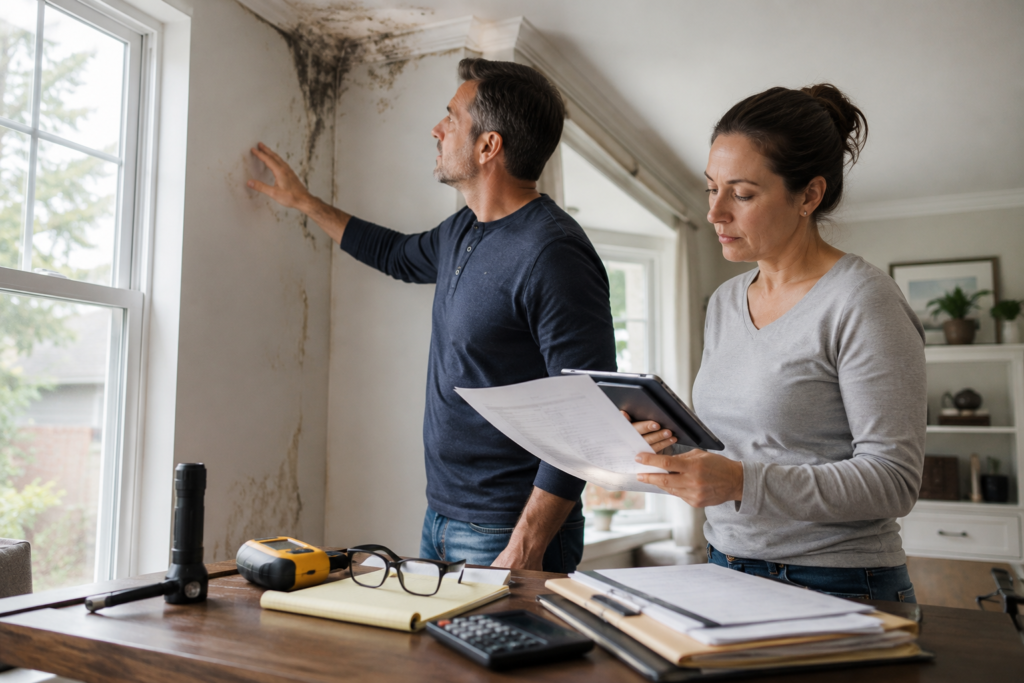
Mold is one of the most common and costly problems homeowners face. It can develop quickly after water damage and may cause structural issues, unpleasant odors, and potential health concerns if left untreated.
Many homeowners assume their insurance policy will automatically cover mold removal and repairs. However, mold coverage is often one of the most misunderstood areas of homeowners insurance.
So, does home insurance cover mold damage? The answer depends largely on what caused the mold in the first place.
In this guide, we’ll explain when homeowners insurance may cover mold damage, when coverage is typically denied, and how you can protect your home from costly mold-related expenses.
What Causes Mold in a Home?
Mold thrives in damp, humid environments and can begin growing within 24 to 48 hours after moisture exposure.
Common causes include:
- Burst pipes
- Leaking appliances
- Roof leaks
- Flooding
- Plumbing failures
- Poor ventilation
- High indoor humidity
- Water intrusion from storms
The cause of the moisture problem often determines whether insurance coverage applies.
Does Home Insurance Cover Mold Damage?
Home insurance may cover mold damage if the mold results from a sudden and accidental covered peril.
Examples include:
- A burst water pipe
- An accidental appliance leak
- Water damage from a covered storm event
- Sudden plumbing failures
If the original water damage is covered under your policy, mold remediation may also be covered, subject to policy limits and exclusions.
When Mold Damage Is Usually Covered
Burst Pipe Scenario
Imagine a pipe suddenly bursts behind a wall while you’re away for the weekend.
Water damages the wall, flooring, and insulation. Mold develops before the problem is discovered.
Because the pipe burst was sudden and accidental, many homeowners insurance policies may cover:
- Water damage repairs
- Mold remediation
- Damaged building materials
- Cleanup expenses
Coverage limits vary by insurer.
Accidental Appliance Leak
If a washing machine hose unexpectedly fails and causes water damage that leads to mold growth, coverage may apply if the incident is reported promptly.
When Mold Damage Is Usually Not Covered
Many mold claims are denied because the damage resulted from long-term maintenance issues.
Examples include:
Ongoing Leaks
If a slow plumbing leak exists for months or years and eventually causes mold growth, insurers often consider the damage preventable.
Poor Home Maintenance
Insurance is designed to cover unexpected losses, not routine maintenance.
Mold resulting from:
- Neglected repairs
- Poor ventilation
- Roof deterioration
- Unaddressed water intrusion
is generally not covered.
High Humidity
Mold caused by excessive indoor moisture or humidity is typically viewed as a maintenance issue rather than a covered insurance event.
Does Home Insurance Cover Mold After a Flood?
Generally, standard homeowners insurance does not cover flood-related damage.
If floodwaters enter your home and mold develops afterward, coverage typically depends on whether you have separate flood insurance.
Without flood insurance, both flood damage and resulting mold remediation may be excluded.
Mold Coverage Limits
Even when mold damage is covered, many insurance companies impose limits on mold-related claims.
Typical mold coverage limits may range from:
- $1,000
- $5,000
- $10,000
- Higher amounts through endorsements
The exact limit depends on your insurer and policy.
Can You Buy Additional Mold Coverage?
Many insurers offer optional endorsements or riders that increase mold protection.
Additional mold coverage may help pay for:
- Mold testing
- Mold removal
- Air quality treatment
- Structural repairs
- Personal property damage
Homeowners in humid climates may find these endorsements particularly valuable.
Does Insurance Cover Mold Removal Costs?
If the mold resulted from a covered loss, insurance may help pay for:
- Professional mold remediation
- Removal of contaminated materials
- Drywall replacement
- Flooring repairs
- Water extraction
- Dehumidification services
Coverage depends on policy terms and applicable limits.
Signs of Mold Damage Homeowners Should Watch For
Early detection can prevent costly repairs.
Common warning signs include:
- Musty odors
- Discolored walls or ceilings
- Peeling paint
- Water stains
- Excessive indoor humidity
- Visible black, green, or white mold growth
Addressing moisture issues quickly can significantly reduce mold risk.
How to Prevent Mold Growth
Insurance companies expect homeowners to take reasonable steps to prevent damage.
Helpful prevention strategies include:
Fix Leaks Immediately
Repair plumbing leaks, roof leaks, and appliance failures as soon as possible.
Improve Ventilation
Use exhaust fans in bathrooms, kitchens, and laundry rooms.
Control Humidity
Maintain indoor humidity below 50% when possible.
Inspect Your Home Regularly
Check basements, attics, crawl spaces, and plumbing systems for signs of moisture.
Clean Gutters and Downspouts
Proper drainage helps prevent water intrusion.
Frequently Asked Questions
Is black mold covered by homeowners insurance?
The color of the mold generally does not determine coverage. Insurers focus on the cause of the mold damage.
Does homeowners insurance pay for mold testing?
Some policies may cover mold testing if the mold resulted from a covered loss. Others may exclude testing costs.
Can a denied mold claim be appealed?
Yes. Homeowners may appeal claim decisions and provide additional evidence supporting their case.
Does home insurance cover mold inside walls?
Coverage depends on what caused the moisture that led to mold growth. Sudden accidental events are more likely to be covered than long-term leaks.
Final Thoughts
Home insurance may cover mold damage when it results from a sudden and accidental covered event, such as a burst pipe or unexpected appliance leak. However, mold caused by neglect, poor maintenance, ongoing leaks, humidity, or flooding is often excluded under standard homeowners insurance policies.
Because mold remediation can be expensive, homeowners should understand their policy’s limitations and consider additional mold coverage if available. Preventive maintenance, prompt leak repairs, and moisture control remain the best defenses against mold-related losses.
Disclaimer
This article is for informational purposes only and should not be considered legal, insurance, or financial advice. Coverage terms, exclusions, and mold limits vary by insurer and policy. Consult your insurance provider or a licensed insurance professional for guidance regarding your specific coverage.
Aarti Mane is an insurance researcher and content editor at Insurance Guide Book.
